Commercial construction is often measured by what eventually stands at the end of a project, but the real success of a building is determined by what happens after the construction crew leaves. A commercial property needs to support people, equipment, operations, customers, employees, and future changes without becoming a constant source of inconvenience or expense. That makes commercial construction service fundamentally different from simply putting up a structure. It is about creating an environment capable of performing a specific purpose while remaining adaptable enough to respond when that purpose evolves.
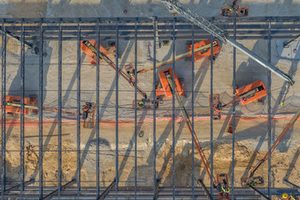
A commercial building may look impressive when the final finishes are installed, but appearance represents only one part of its value. The layout, structural systems, mechanical infrastructure, electrical capacity, plumbing, lighting, accessibility, ventilation, storage, circulation, and safety features all influence how effectively the property functions. A thoughtful commercial construction project considers these elements together rather than treating them as separate decisions. When the building is planned around actual business operations, construction becomes an investment in productivity, reliability, and long-term usability. Check out https://www.gkconstructionsolutions.com/general-contractors-nashville-tn for more details.
Construction Should Begin With the Business Behind the Building
Every commercial property has a different operational rhythm. An office may depend on efficient work areas, meeting rooms, technology infrastructure, and comfortable employee spaces. A retail environment may require customer circulation, product displays, storage, lighting, and accessibility. A professional facility may need specialized rooms, equipment, privacy, and carefully coordinated building systems. Industrial or service-oriented properties can have entirely different requirements.
This is why the first stage of commercial construction should involve understanding how the building will actually be used. A floor plan can appear logical on paper while creating unnecessary movement, bottlenecks, or wasted space once employees and customers begin using it. Construction planning should therefore consider workflows as carefully as dimensions and materials.
Questions about movement can be particularly revealing. How do employees enter and leave? Where are deliveries received? How does inventory move through the property? Where will customers wait or circulate? Which areas require privacy? Where will equipment be installed? Which spaces may need to expand later? Thinking through these activities before construction begins can help shape a building that works with the business rather than forcing the business to work around the building.
The Value of a Construction Strategy Built Around the Future
Commercial properties are rarely static. Businesses grow, technology changes, staffing requirements shift, customer expectations evolve, and regulations can change over time. A building that satisfies today’s needs but leaves no room for adjustment can become restrictive sooner than expected.
Commercial construction service can address this challenge by incorporating flexibility into the design and construction process. Flexible spaces, adaptable infrastructure, accessible service areas, additional electrical capacity, practical mechanical layouts, and thoughtful partitioning can give owners more options when circumstances change.
This does not mean constructing unnecessary space or spending heavily on hypothetical future scenarios. It means identifying areas where relatively small decisions during construction can create significant flexibility later. For example, providing appropriate infrastructure for future technology or designing spaces that can be reconfigured may be considerably easier during initial construction than during a major renovation.
Two principles can help guide this approach:
- Build for current operations without locking the property into one configuration. The building should work efficiently today while allowing reasonable changes tomorrow.
- Invest in infrastructure that supports long-term performance. Structural quality, electrical systems, mechanical equipment, plumbing, ventilation, drainage, and other essential components can have a greater impact on the property’s future value than purely decorative upgrades.
The objective is to create commercial space that can evolve without requiring constant reconstruction.
The Hidden Infrastructure Determines How Well a Building Performs
A commercial property can have an attractive lobby and impressive finishes, but employees and customers ultimately depend on the systems operating behind those finishes. Electrical distribution, plumbing, heating and cooling, ventilation, insulation, drainage, lighting controls, communications infrastructure, and other building systems can determine whether the property feels comfortable and dependable.
These systems deserve careful planning because commercial buildings often place heavier and more consistent demands on infrastructure than residential properties. More people may occupy the space, equipment may operate for extended periods, and technology requirements can be considerably greater. Mechanical and electrical systems therefore need to be designed around the intended use of the building rather than treated as afterthoughts.
Good commercial construction also considers access for future maintenance. Equipment that is difficult to reach can increase service time and maintenance costs. Service areas, panels, mechanical components, shutoffs, and other critical infrastructure should be incorporated into the building plan with practical access in mind.
This is one of the reasons professional construction management is so important. Different systems interact with one another, and decisions made in one stage can affect several trades later. Coordination helps reduce conflicts and supports a more reliable finished building.
Managing the Budget Without Sacrificing the Building’s Purpose
Commercial construction budgets can become complicated quickly because projects involve more than basic labor and materials. Depending on the scope, costs can involve site preparation, design, permitting, structural work, utilities, specialized systems, finishes, equipment coordination, inspections, and unexpected site conditions.
A successful budget is therefore not simply a spreadsheet of individual expenses. It should reflect the priorities of the entire project. Some components are directly connected to the building’s performance and should be treated differently from aesthetic preferences that can potentially be adjusted.
The most effective cost management often happens before construction begins. Clear plans, realistic material selections, coordinated drawings, and defined project expectations can reduce the likelihood of expensive changes after work has started. Last-minute modifications can affect multiple trades and may create scheduling complications in addition to increasing direct costs.
Commercial construction service providers can contribute by helping owners understand the consequences of different choices. A lower initial price may not always represent better value if a material requires frequent replacement or a system has high operating costs. Conversely, an expensive feature is not automatically a wise investment simply because it carries a higher price.
The goal is to spend strategically. Money should support the building’s purpose, durability, efficiency, and long-term usefulness.
Construction Scheduling Is More Than a Completion Date
Time is particularly important in commercial construction because a delayed project can affect business operations, occupancy plans, staffing, inventory, customer access, and revenue. For that reason, scheduling should be treated as a management tool rather than merely a target date written into a contract.
Commercial construction involves a sequence of dependent activities. Structural work may need to be completed before certain systems can be installed. Mechanical and electrical work may need to be coordinated before walls are closed. Finishes depend on the completion of underlying work. Equipment installation may require specific site conditions.
When one activity falls behind, the effects can move through the rest of the project. Strong scheduling and communication help identify potential conflicts earlier and provide opportunities to adjust the workflow before delays become more disruptive.
Material availability can also influence scheduling. Selecting materials without considering lead times can create avoidable problems later. A professional construction process should account for procurement as part of the overall schedule rather than treating material delivery as a separate concern.
Quality Control Protects More Than Appearance
Quality control in commercial construction is not limited to checking whether surfaces look finished. It involves verifying that materials, installations, connections, measurements, and systems meet the requirements established for the project.
This attention is especially important because commercial buildings can experience significant daily use. Floors, doors, fixtures, electrical systems, plumbing components, ventilation equipment, and other elements may be used repeatedly by employees, customers, tenants, and service personnel. Poor workmanship can become apparent quickly under these conditions.
A quality-focused construction process includes ongoing review rather than waiting until the final walkthrough to identify problems. Addressing issues while the relevant work is still accessible can be considerably easier than correcting them after finishes have been installed.
Documentation also matters. Construction records, equipment information, maintenance details, and other project documentation can provide valuable references for future owners, managers, contractors, and maintenance personnel. A building’s useful life extends far beyond the construction phase, so information created during construction can continue providing value afterward.
Designing Commercial Spaces Around People
Buildings are used by people, and their experience can influence productivity, customer perception, employee satisfaction, and overall operational efficiency. Commercial construction should therefore consider more than structural requirements.
Lighting can influence visibility and atmosphere. Acoustics can affect concentration and communication. Ventilation and temperature control contribute to comfort. Circulation paths influence how easily people move through the property. Restrooms, break areas, storage spaces, entrances, and service areas all affect the everyday experience of using the building.
Accessibility should also be incorporated into the project rather than treated as a final adjustment. A commercial building needs to accommodate people with different physical abilities and provide practical access to its important areas. Thoughtful design can improve usability for everyone while helping the property meet applicable requirements.
The result should be a building where the physical environment supports the activities taking place inside it. When employees can move efficiently, customers can navigate comfortably, and essential services are easy to access, the building becomes a functional asset rather than merely a container for business activity.
Sustainability Can Be a Practical Construction Decision
Sustainable commercial construction does not necessarily require every available green technology or the most expensive materials. In many cases, sustainability begins with sensible decisions about energy use, water consumption, durability, waste reduction, and maintenance.
A durable building can be inherently more sustainable because materials do not need to be replaced as frequently. Efficient lighting and mechanical systems can reduce ongoing energy demands. Proper insulation and building-envelope design can contribute to more consistent interior conditions. Water-efficient fixtures and thoughtful drainage can reduce unnecessary resource use.
Construction waste can also be addressed through careful material planning and responsible site management. Choosing appropriate quantities, coordinating deliveries, and reducing unnecessary rework can improve efficiency while minimizing waste.
The strongest sustainability strategies are often those that provide both environmental and operational benefits. If a building uses fewer resources while also reducing long-term operating costs, sustainability becomes a practical business decision rather than simply a design statement.
Choosing a Commercial Construction Service
Selecting a commercial construction service should involve more than comparing estimated prices. Owners should consider whether the contractor understands the property’s intended use, communicates clearly, coordinates multiple trades effectively, and demonstrates a consistent approach to quality control.
Experience with similar project types can be useful because different commercial environments create different construction challenges. A contractor familiar with the demands of the intended building type may be better prepared to anticipate coordination issues, material requirements, workflow concerns, and operational considerations.
Communication is equally important. Construction projects involve decisions throughout the process, and owners need reliable information about progress, changes, materials, scheduling, and potential issues. A strong working relationship can make difficult decisions easier to manage and reduce misunderstandings.
It is also important to look beyond the finished appearance when evaluating construction quality. Ask how the contractor approaches planning, documentation, site coordination, inspections, material selection, scheduling, and quality assurance. These processes provide insight into what the finished building is likely to be like beneath the surface.
A Commercial Building Should Continue Creating Value
The true measure of commercial construction is not simply whether a building was completed on time or whether the final space looks impressive. Its real value becomes apparent through years of use. Does the building support efficient operations? Can employees work comfortably? Can customers navigate it easily? Are maintenance tasks manageable? Can systems be upgraded? Does the layout allow the business to adapt?
These questions shift the focus from construction as a one-time event to construction as the beginning of a property’s useful life. A well-designed commercial building should continue supporting its occupants long after the final inspection.
That requires a different mindset from the beginning. Instead of focusing exclusively on today’s appearance, commercial construction should consider durability, adaptability, efficiency, maintainability, and operational performance. The building should be capable of handling real-world use rather than simply looking complete at handover.
Ultimately, a successful commercial construction service creates more than walls and workspaces. It creates an environment designed around the way a business operates and the people who depend on that operation. With thoughtful planning, disciplined project management, quality materials, coordinated building systems, and a clear understanding of long-term needs, commercial construction can become a strategic investment in the future of a property. The best buildings do not simply provide somewhere for a business to operate; they make that operation easier, more efficient, and better prepared for whatever comes next.